Your Morning Routine Can Change Your Life Tomorrow

Thank you, Hal Elrod, for waking me up to a new perspective Snooze button. Snooze button again. Tired, sluggish, and dreading the day, I drag myself out of bed like a zombie from The Walking Dead. Like many hard-working entrepreneurs, this was my daily morning routine. Two years ago, I stumbled upon a podcast interview with author Hal Elrod in which he shared his incredible story and explained his book The Miracle Morning. His message hit me like a ton of bricks. We are all work so hard to create an amazing life for ourselves, but we never stop and take the time to enjoy the life we have created. For entrepreneurs, our days are a nonstop sprint of texts, emails, phone calls, and office work. We rarely stop and take time each day to reap the benefits of our hard work. Hal points out that the only safe time is in the morning before we start our day. He emphasizes that we owe it to ourselves to block out this time to experience life without interruptions or distractions. He suggests a morning routine called SAVERS (silence, affirmation, visualization, exercise, reading, and scribing). The two-week rule I have a process for the implementation of new self-improvement ideas I call the two-week rule. When I try something new, I commit 100% for two weeks. I go ALL IN. I do not judge results or deviate from the plan. This allows me to do a fair assessment of the new endeavor. No excuses are allowed. I just decide “this is what I am going to do.” Once the decision is made, then there is no more thinking or debate. After hearing about the Miracle Morning, I started my two-week evaluation. Two years later, I am still doing it every day. Why it matters Friends have asked me “what is the point of waking up early?” My answer is that it changed how I view my life. It kick-started a new diet, a 30-pound weight loss, integration of mindfulness into my life, and I conquered physician burnout. I have read more books in the past two years than in the previous twenty. I also created and started living my personal mission statement “to become the best version of myself to have the maximum impact on others.” Every day I work to make this a reality. Create your own Miracle Morning Individualize the plan and make it your own. I started off doing SAVERS precisely as described in the book. For those struggling to start, you can do it 6 min; 1 min for each step. I quickly realized that I needed to make some adjustments to fit my personality. I prefer practicing mindfulness in the evening before I go to bed. Meditation in the morning made me sleepy. Switching the practice to the night time has become a vital tool for me to beat insomnia. For those new to meditation, I recommend Headspace, 10% Happier, or Insight Timer. I prefer to exercise after work. I run in the evenings. It calms my mind, and I can shed the stress from the day. For those “Type A” people like me needing a plan, try the app Couch to 5K. My Miracle Morning I set my alarm for 5:15. When the alarm goes off, I immediately get up. No snooze button. Step 1: I step on the scale and type the number into Myfitness Pal. Weight management is a top priority for me, and stepping on the scale first thing in the morning helps me start the day with intentionality; today I am going to eat right and focus on my health. Step 2: I move to the kitchen. While my coffee brews, I drink a large glass of water. This simple step is critical because our bodies get dehydrated through the night. I read an article or two on Medium. I do not check email, Facebook, or Twitter. No work allowed. Step 3: Once the coffee is ready, I sit a comfortable chair, and I read an affirmation paragraph. The affirmation keeps me focused on my mission and values. Reading the paragraph out loud is an important step as it forces my mind to think through the words instead of just going through the motions. Step 4: I open a book and read. I avoid reading anything in my industry and allow this quiet time to be truly mine. I choose books on personal growth, leadership, business, and fiction. Step 5: When it is time to get ready for work, I do a quick downward dog yoga stretch followed by ten pushups. It is not enough exercise to sweat but enough to get the blood flowing. Waking up early is not as hard as you think Many people say they can never wake up early. From my experience, what was at first, an obstacle quickly evolved into motivation. I felt the benefits of an established routine so quickly that my mornings became the most important and enjoyable part of my day. I have become a better husband, father, physician, and entrepreneur by taking a few minutes each day to learn, grow and be present in the moment.
The Quarantine 15: Who Else Is Fighting It and How Can We Fix It?
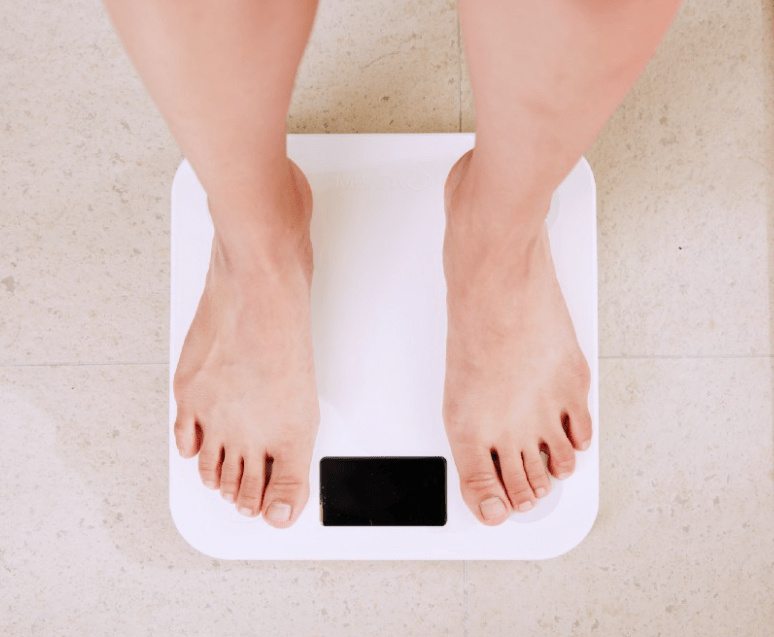
COVID-19’s unexpected effect on expanding waistlines. Why is my belt so tight? I can’t buckle my skinny jeans. I call out “Honey, I think my pants shrunk in the dryer,” as I loosen my belt a notch to accommodate my new #dadbod. I don’t think I am alone. My patients are complaining of weight gain too. As a result of the stay-at-home instructions, many of us altered our activity levels, diets, and routines. The result — The Quarantine 15. Obesity may be an unexpected outcome of this infectious disease pandemic. Why are we gaining weight? Various theories attempt to explain the mysterious Quarantine 15. Some blame stress. Stress increases our body’s cortisol production. Cortisol is the “stress hormone” known to increase the appetite. When under stress, we alter our food intake. Some people undereat. The medical term for undereating stressed-out individuals is “weirdos.” “Normal” people tend to grab a bag of Doritos and dip them in hot fudge covered ice-cream. Author’s image Ice-cream and other sugary carbohydrates trigger a dopamine surge. Dopamine hormone dopamine is produced in the pleasure center of the brain, an area of the brain called the nucleus accumbens. Dopamine is our mind’s reward system. When times are tough, rewards and treats provide relief. Some believe we naturally gravitate towards carb-laden foods when stressed out to get a quick energy boost. The sugar rush makes us feel better, temporarily. But what follows is the crash and crave phase. The crash makes us feel hungry again as our brains seek out more dopamine. Dopamine and cortisol. Is the Quarantine 15 a result of a complex combination of physiological hormonal changes? Perhaps. But I suspect we are just bored. Boredom leaves us feeling tired and sluggish. We tell ourselves we were “forced” to stop working out when gym and fitness centers closed during the lockdown. But many did not substitute an evening jog, daily walk, or even get up off the couch. Not only did we decrease our physical activity, but alcohol sales also skyrocketed up 27% during the pandemic. People are doing less and drinking more, and increased alcohol consumption means more calories What goes better with a craft beer than some fresh local takeout! Since restaurants were closed to dine-in, many of us began ordering take-out. Food delivery services increased sales during the lockdown. Many of us ordered food to “to support the local restaurants.” Hey, we are #inthistogether, and everyone has to do their part.
Navigating Nausea While on GLP-1 Medications: Tips for a Smoother Journey
As an ObGyn dedicated to helping patients achieve their weight loss goals, I often hear concerns about the side effects of GLP-1 medications, particularly nausea. If you’re experiencing this side effect, know that you’re not alone—nausea is one of the most common challenges patients face, especially in the early stages of treatment. But don’t let nausea get you down! We have effective ways to manage nausea, and you can take advantage of them. Why Nausea Happens and What It Means When you first start on GLP-1 medications like Semaglutide, your gastrointestinal (GI) system needs time to adjust. These medications work by slowing gastric emptying and increasing feelings of fullness, which can lead to nausea as your body adapts to the new signals. Some patients breeze through this phase with minimal discomfort, while others find it more challenging. Understanding that mild nausea is a normal side effect is essential. In fact, it can be useful in helping to suppress appetite and control eating behaviors. But there’s a fine line—while mild nausea can be tolerated and even beneficial, we don’t want it to become debilitating. Using Mild Nausea to Your Advantage Mild nausea can actually support your weight loss journey by helping to reduce cravings and curbing the desire to overeat. It’s a signal that your body is responding to the medication as intended. Rather than rushing to treat every twinge of discomfort, try to see it as part of the process. For many patients, this initial phase of adjustment is temporary and manageable with a few simple strategies: Picture by Towfiqu Barbhuiya When Nausea Becomes Too Much While mild is ok, we don’t want it to interfere with your daily life. If you find yourself missing work, school, or other activities because of nausea, it’s time to take action. Here are some options: Understanding Gastroparesis: A Rare but Serious Concern In very rare cases, GLP-1 medications can cause a condition called gastroparesis. This occurs when the stomach’s ability to empty itself is slowed significantly, leading to severe nausea, vomiting, and even malnutrition in extreme cases. Symptoms of gastroparesis include: If you experience these symptoms, contacting your healthcare provider immediately is crucial. We can evaluate your symptoms and determine the best course of action. While gastroparesis is rare, it’s important to be aware of this potential risk and seek help if you notice severe or persistent symptoms. Final Thoughts: Listening to Your Body Every patient’s journey with GLP-1 medications is unique, and there’s no one-size-fits-all approach. The key is to listen to your body and communicate openly with your healthcare team. If mild nausea is helping you control your appetite, that’s great. If it’s disrupting your life, let’s find a solution together. Remember, you’re not in this alone. Whether you’re adjusting your dose, considering anti-nausea medications, or just needing reassurance, we’re here to support you every step. Your health and comfort are our top priorities, and with the right strategies, you can achieve your weight loss goals without unnecessary discomfort. Stay patient, stay mindful, and most importantly, stay connected. We’ll navigate this journey together, one pound at a time.
Rethinking Exercise on GLP-1 Medications: Why Strength Training is Key

Exercise is vital to any weight loss journey and body transformation. However, when taking GLP-1 medications like Semaglutide, it’s crucial to approach exercise differently. Many of us remember when we could eat whatever we wanted and exercise our way to a fit figure. Unfortunately, as we age, that strategy doesn’t work. The game changes, and so must our approach. Cardio vs. Strength Training: Which is Better for Weight Loss? When most people think of exercise and weight loss, they immediately picture cardio—running, cycling, or hopping on the elliptical machine. While cardio has tremendous benefits for our heart and brain health, it’s not the most effective weight loss approach when taking GLP-1 medications. In fact, strength training is far more important for achieving weight loss and body transformation. Let’s break it down. The Cardio Conundrum Imagine you go to the gym and spend 45 minutes on the treadmill. You log your workout in an app like MyFitnessPal, and it tells you that you’ve burned around 500 calories. That sounds great, right? The problem is that cardio workouts have a sneaky way of stimulating your appetite. This is just human physiology—when you spend time jogging, walking, or engaging in other forms of cardio, your body naturally feels hungry afterward. This is where things get tricky. You’ve worked hard, you’re feeling great, and now you’re starving. It’s all too easy to justify a treat—maybe a couple of cookies or an extra serving at dinner. The problem is that those extra snacks can easily offset your burned calories. And just like that, the calorie deficit you worked so hard to achieve is gone. What is a Calorie Deficit, and Why Does It Matter? A calorie deficit occurs when you consume fewer calories than your body uses daily. When you’re in a deficit, your body turns to stored fat for energy, which leads to weight loss.However, our bodies are not designed to lose fat and keep muscle. Our bodies simply respond to the deficit by shedding weight, and that weight can come from both fat and muscle.This is where GLP-1 medications come into play. These medications help suppress appetite, making it easier to maintain a calorie deficit. But with the right kind of exercise, you could avoid losing valuable muscle along with the fat. We want to lose the belly and keep the biceps! The Strength Training Solution Here’s where strength training shines. Spending the same 45 minutes lifting weights or doing resistance exercises might not burn as many calories in the moment, but it has powerful long-term benefits. First and foremost, strength training does not stimulate your appetite like cardio. This means you’re less likely to feel ravenous after a workout, making it easier to stick to your calorie goals. But the benefits don’t stop there. Strength training helps you build muscle over time, and the more muscle you have, the more calories your body burns at rest. This means that even when you’re not working out, your body works harder, burning more calories throughout the day. Picture by Dr. Jeff Livingston Prioritize Protein and Strength Training When you’re in a calorie deficit, your body doesn’t inherently know how to target fat loss while preserving muscle. The only way to offset this is to prioritize protein intake and incorporate strength training into your routine. Final Thoughts Your journey with GLP-1 medications is unique, and so is your approach to exercise. While cardio has its place, strength training is the real game-changer for long-term weight loss and body transformation. By combining the appetite-suppressing benefits of GLP-1 medications with a focus on building muscle, you’re setting yourself up for success.Remember, the goal isn’t just to lose weight—it’s to build a healthier, more muscular body. So, the next time you hit the gym, consider skipping the treadmill and heading to the weights instead.Your body will thank you for it. Every weight loss journey is personal, and finding the right balance can be challenging. But with the right strategy, you can achieve your goals and transform your body. Keep moving forward and remember—we’re in this together.
Why I Weigh Myself Every Day—and How It Helps Me Stay Fit
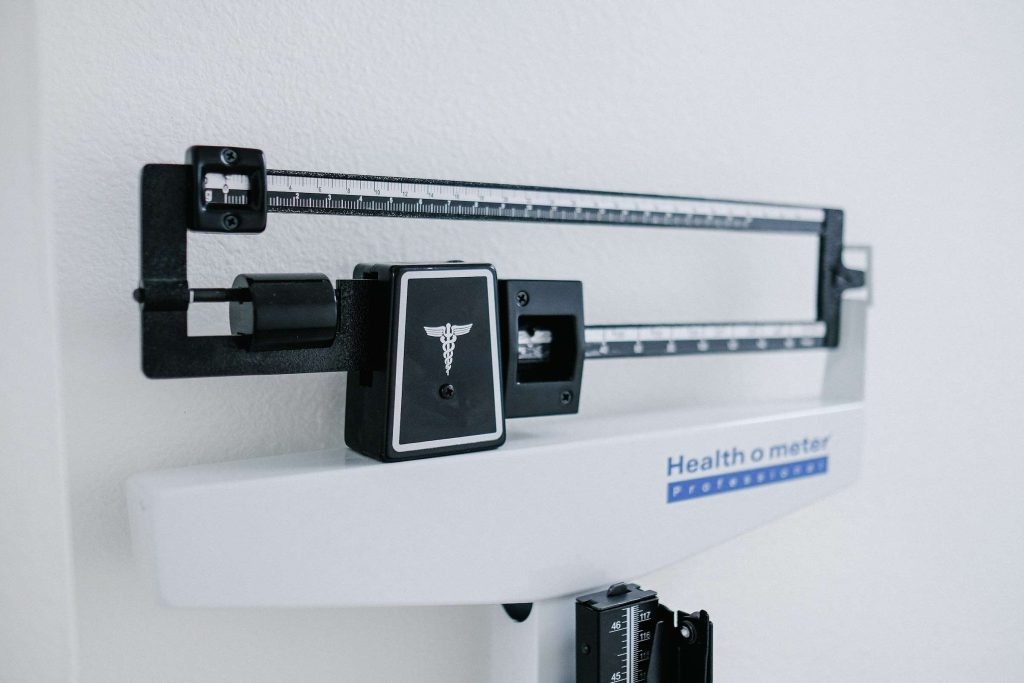
I weigh myself every day. I do it for a few important reasons. Weighing daily is part of my morning routine. Each day, I start the day on a positive note with a simple habit that reinforces my commitment to healthy eating and fitness goals. The Importance of Consistent Monitoring I firmly believe in the adage: “What gets measured gets managed.” Regularly tracking my weight provides tangible data, allowing me to observe trends over time. Daily weigh-ins have been associated with more significant weight loss and the adoption of weight control behaviors. Photo by Adolfo Félix on Unsplash Ensuring Accurate Comparisons To maintain consistency, I weigh myself at the same time each morning. This practice ensures that I compare apples to apples, as weight can fluctuate throughout the day due to various factors. Understanding Daily Weight Fluctuations It’s essential to recognize that daily weight changes are normal and can be influenced by: Understanding these fluctuations helps me stay focused on long-term progress rather than getting discouraged by short-term changes. If the scale doesn’t show the results you were hoping for, remember that weight is just one aspect of your health. Focus on the positive changes in your diet and exercise routine, and remember that progress takes time. I use this scale at home. It is cheap and syncs to my Apple Health and MyfitnessPal. It measures weight and body fat. Photo by FITINDEX on Amazon. Focusing on Long-Term Progress Regular weigh-ins remind me of my health objectives, helping me stay accountable and motivated. By monitoring my weight daily, I can detect patterns and make necessary adjustments to my lifestyle. This proactive approach aids in maintaining focus, which I believe is half the battle in any health journey. Final Thoughts Incorporating daily weigh-ins into my routine has been instrumental in my health and fitness journey. It provides immediate feedback, fosters accountability, and enhances my understanding of my body’s responses. While this approach works well for me, it’s important to remember that the scale is just one tool among many on the path to better health. It’s there to support us, not to dictate our worth or progress.
When Laughing Makes You Leak: Understanding Stress Urinary Incontinence

During a work presentation, Amanda coughed and felt the unmistakable warmth of urine leaking into her underwear. She was 38, successful, and hadn’t given birth yet. “This is supposed to happen to old ladies or women who’ve had multiple kids,” she thought, mortified. “Why is this happening to me?” Stress urinary incontinence (SUI), leaking urine with physical activities like coughing, sneezing, laughing, exercising, or lifting, affects approximately 15-50% of women depending on age and risk factors, according to research published by the National Institute of Diabetes and Digestive and Kidney Diseases. It’s one of the most common and least discussed women’s health issues. And contrary to popular belief, it’s not a normal part of aging or an inevitable consequence of childbirth. It’s a treatable medical condition. What Causes Stress Urinary Incontinence SUI occurs when the muscles and tissues supporting your bladder and urethra become weak or damaged. When you cough, laugh, sneeze, or exercise, abdominal pressure increases. Normally, the pelvic floor muscles and urethral sphincter contract to prevent leakage. When these structures are weakened, they can’t maintain sufficient pressure, and leakage occurs. Common causes include: Pregnancy and Childbirth: Vaginal delivery can stretch and damage pelvic floor muscles, nerves, and connective tissue. Even women who deliver via cesarean section experience some pelvic floor weakening from pregnancy itself. According to the American Urogynecologic Society, about one-third of women experience some urinary incontinence during or after pregnancy. Aging and Menopause: Estrogen helps maintain the strength and elasticity of pelvic tissues. As estrogen declines during menopause, these tissues weaken. Additionally, aging itself affects muscle strength and nerve function. Chronic Coughing: Conditions like asthma, chronic bronchitis, or smoking-related lung disease create repeated increases in abdominal pressure that stress the pelvic floor. High-Impact Activities: Running, jumping, heavy lifting, and high-intensity exercise increase abdominal pressure and can contribute to pelvic floor dysfunction, especially if pelvic floor muscles aren’t strong enough to manage the load. Obesity: Excess weight increases chronic pressure on the pelvic floor. Research from the Mayo Clinic shows that weight loss can significantly improve incontinence symptoms. Previous Pelvic Surgery: Hysterectomy and other pelvic surgeries can damage pelvic floor support structures. It’s Not Just About Childbirth While childbirth is a major risk factor, plenty of women who’ve never been pregnant experience SUI. Nulliparous women (women who haven’t given birth) can develop incontinence due to genetics, connective tissue disorders, chronic constipation, chronic coughing, or high-impact athletics. The assumption that SUI only affects mothers prevents many women from seeking treatment, leaving them suffering unnecessarily. Treatment Options That Actually Work Pelvic Floor Physical Therapy: This is first-line treatment for SUI and is remarkably effective. A specialized pelvic floor physical therapist teaches you how to properly engage pelvic floor muscles, provides exercises to strengthen them, and addresses any dysfunction in muscle coordination. According to the American College of Obstetricians and Gynecologists, pelvic floor physical therapy significantly improves or resolves symptoms in 60-70% of women with SUI. Lifestyle Modifications: Weight loss if overweight, treating chronic cough, avoiding bladder irritants (caffeine, alcohol, acidic foods), and managing constipation all help reduce symptoms. Pessaries: These are removable devices inserted into the vagina that support the bladder and urethra, preventing leakage. They’re particularly useful for women who want to avoid surgery or who aren’t surgical candidates. Urethral Bulking Injections: Injectable materials can be placed around the urethra to provide additional support and resistance, reducing leakage. Surgery: When conservative treatments don’t provide adequate relief, surgical options include mid-urethral sling procedures, which have high success rates (80-90%) for appropriately selected patients. The American Urological Association provides guidelines on surgical management of SUI. What You Can Do Right Now See a Urogynecologist: Urogynecologists are OB-GYNs with additional training in pelvic floor disorders. They can properly diagnose your condition, rule out other causes of leakage, and create a treatment plan tailored to your situation. Don’t Accept “That’s Normal”: Incontinence is common, but it’s not normal and it’s not something you have to live with. Many primary care providers and even some OB-GYNs dismiss incontinence concerns, but specialists take them seriously. Don’t Wait: Pelvic floor dysfunction typically worsens over time without treatment. Early intervention is more effective than waiting until symptoms are severe. Stop Doing Kegels Wrong: Most women perform Kegel exercises incorrectly, either using the wrong muscles or doing them at the wrong time. A pelvic floor physical therapist ensures you’re doing them correctly and that they’re appropriate for your specific dysfunction. The Bottom Line Stress urinary incontinence is a medical condition with effective treatments. You do not have to plan your life around bathroom locations, wear pads daily, or avoid activities you enjoy because you’re afraid of leaking. Whether you’re 28 or 68, whether you’ve had five children or zero, if you’re experiencing urinary leakage with coughing, sneezing, laughing, or exercise, treatment is available. The first step is talking to a specialist who takes your concerns seriously and has expertise in pelvic floor disorders. Experiencing urinary leakage with physical activity? Schedule a urogynecology consultation at Momentum Health. Our specialists provide comprehensive evaluation and evidence-based treatment for pelvic floor disorders, including stress urinary incontinence. Sources American College of Obstetricians and Gynecologists. (2024). Urinary Incontinence. https://www.acog.org/ American Urogynecologic Society. (2024). Pelvic Floor Disorders. https://www.augs.org/ American Urological Association. (2024). Stress Urinary Incontinence Guidelines.https://www.auaua.org/ Mayo Clinic. (2024). Urinary Incontinence. https://www.mayoclinic.org/ National Institute of Diabetes and Digestive and Kidney Diseases. (2024). Bladder Control Problems in Women. https://www.niddk.nih.gov/
Should I drink protein shakes while trying to lose weight?
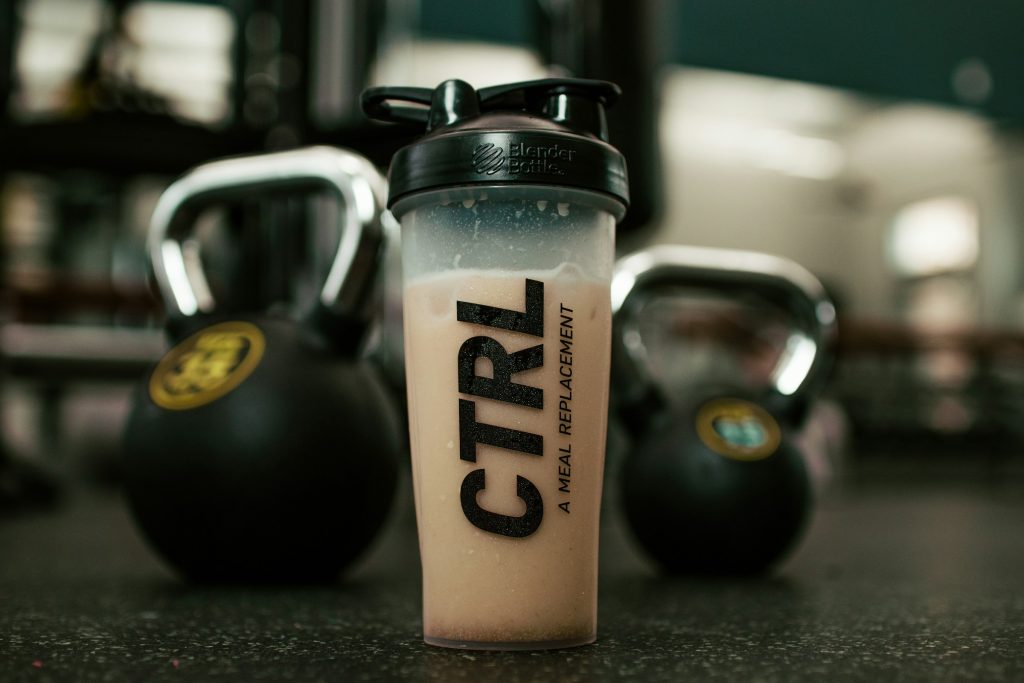
Protein shakes are a staple in the fitness industry, often marketed as a convenient way to boost protein intake. They’re especially popular among bodybuilders and athletes looking to build muscle. But what about people who are trying to lose weight—especially those on GLP-1 medications like Semaglutide or Tirzepatide? I often hear my patients ask, “Should I drink protein shakes while trying to lose weight?” The short answer is not necessarily. While protein is essential for weight loss, muscle preservation, and overall health, protein shakes have a major drawback: they don’t keep you full. I want you to eat food. Real food. Protein: A Key Player in Weight Loss Photo By Alex Munsell on Unsplash One of the biggest weight-loss challenges—especially while on GLP-1 medications—is preserving muscle while losing fat. GLP-1 medications naturally suppress appetite, which means people often eat much less than they used to. If you’re in a calorie deficit, prioritizing protein is critical to prevent muscle loss. But how you get that protein matters as much as the amount. Whole foods give you more bang for your buck when it comes to satiety and long-term weight loss success. The Problem With Protein Shakes Photo by CTRL – A Meal Replacement on Unsplash Protein shakes are designed to be fast-digesting and easy to consume, so they’re not ideal for someone trying to lose weight. When you drink your calories, your body doesn’t register them the same way it does with solid food. You don’t get the same sensation of fullness or satiety from eating whole protein sources like chicken, fish, or eggs. If you’re actively trying to lose weight, every calorie needs to work for you, which means choosing foods that keep you satisfied for longer. Whole Foods vs. Protein Shakes: What’s the Better Choice? Let’s compare a shake vs chicken: Whole foods give you more bang for your buck when it comes to satiety and long-term weight loss success. When Might Protein Shakes Be Useful? That said, protein shakes aren’t entirely off the table. They can be helpful in a few specific scenarios: ✅ If you’re struggling to meet your daily protein goal and need a convenient option. I mix protein powder into my coffee every morning to help reach my protein goal. ✅ As a post-workout recovery tool when you need fast-digesting protein. SEEQ is my favorite brand during the day time. ✅ If you’re on the go and don’t have access to whole foods But if weight loss is your primary goal, I’d rather see you reach for real food first. The Bottom Line If you’re on a weight loss journey—especially while taking GLP-1 medications—prioritize whole-food protein sources whenever possible. They will keep you fuller, help you stick to your calorie goals more efficiently, and ultimately support sustainable weight loss. Final Thought: If you’re debating between a protein shake and a piece of chicken, go with the chicken. Your body will thank you.
Is Creatine Worth It? A Guide for Those Focused on Weight Management
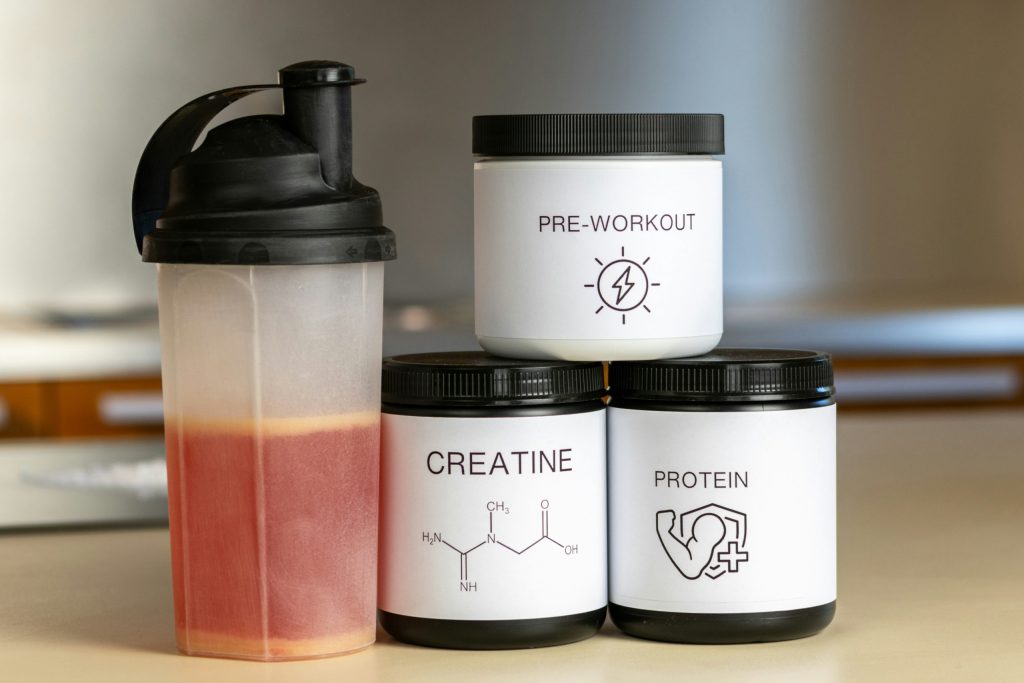
When it comes to weight management, there are countless supplements marketed for fat loss, muscle gain, and performance enhancement. One of the most well-researched and widely used supplements in the fitness world is creatine. But is it worth taking if your primary goal is weight management? Let’s break it down. First, What is Creatine? Photo by Aleksander Saks on Unsplash Creatine is a naturally occurring compound found in muscle cells. It helps produce energy during high-intensity exercise and resistance training. While our bodies make creatine naturally, it can also be obtained from dietary sources like red meat and fish. However, many people choose to supplement with creatine monohydrate, the most studied and effective form. Does Creatine Help with Weight Loss? Let’s be clear: creatine does NOT directly contribute to weight loss. Unlike fat-burning supplements, it does not increase calorie expenditure or suppress appetite. If you want to drop body fat, creatine is not the magic pill. That being said, creatine does help build muscle, and muscle mass plays a crucial role in overall body composition and metabolism. More muscle means a higher resting metabolic rate, which can indirectly support long-term fat loss efforts. If your goal is purely weight loss, creatine won’t directly help you shed fat. However, if you are working on improving body composition by increasing muscle mass, strength, and overall fitness, creatine can be a valuable and safe supplement in your routine. Creatine and Weight Gain – What’s Actually Happening? Photo by i yunmai on Unsplash One of the most common concerns about creatine is weight gain. Many people step on the scale after starting supplementation and see an increase in pounds. But let’s clarify what’s really happening. If you fixate on the scale, it’s important to understand that the weight gain associated with creatine is beneficial and not a sign of fat accumulation. Benefits of Creatine for Those Focused on Fitness and Body Composition How Much Creatine Should You Take? The standard recommended dose is 5 grams per day. Here is the brand I recommend: Photo by Optimum Nutrition on Amazon There is no need for a “loading phase”, though some people opt to take 20 grams per day for the first 5-7 days to saturate muscles more quickly. Once muscles are saturated with creatine, the daily 5-gram maintenance dose is sufficient. Are There Any Risks or Side Effects? For most people, creatine is safe and well-tolerated. However, here are a few considerations: Final Thoughts: Is Creatine Worth It? If your goal is purely weight loss, creatine won’t directly help you shed fat. However, if you are working on improving body composition by increasing muscle mass, strength, and overall fitness, creatine can be a valuable and safe supplement in your routine. Just be prepared for potential scale fluctuations and understand that weight gain from creatine is not fat gain—it’s muscle hydration and growth. For those looking to build muscle while optimizing weight management, creatine can be a powerful tool when combined with a high-protein diet and strength training. So, if you’re on a journey to a stronger, leaner body, creatine is worth it.
Achieving Your Weight Loss Goals with GLP-1 Medication at Momentum Health

Take the first step in your weight loss journey. At Momentum Health, we understand the challenges that come with weight loss. As an Obgyn physician, I have seen firsthand the impact that excess weight can have on both physical and mental health. With the advent of GLP-1 agonist medications, we now have a powerful tool to help you achieve your weight loss goals. GLP-1 medication helped me lose weight. I’m excited to share how these medications can make a significant difference in your life. What Are GLP-1 Agonists? GLP-1 (glucagon-like peptide-1) agonists are a class of medications initially used to treat type 2 diabetes. They work by mimicking the GLP-1 hormone, which regulates appetite and insulin production. By enhancing the body’s natural processes, GLP-1 agonists help reduce hunger, increase feelings of fullness, and promote weight loss. High Success Rates One of the most compelling reasons to consider GLP-1 agonists for weight loss is their proven effectiveness. Clinical studies have shown that individuals using these medications can achieve significant weight loss, often far greater than what is possible with diet and exercise alone. Many patients experience an average weight loss of 5–10% of their body weight within the first six months of treatment. This success is not just about numbers on a scale — it translates to better health outcomes, including improved blood sugar levels, reduced risk of cardiovascular disease, and enhanced quality of life. Tailored for Both Women and Men Weight loss is a deeply personal journey, and our approach at Momentum Health is tailored to meet the unique needs of both women and men. We recognize that hormonal differences, lifestyle factors, and individual health profiles all play a role in weight loss . Whether you’re struggling with weight gain related to pregnancy, menopause, or other health issues, or if you’re a man dealing with metabolic challenges and “manopause”, our team is here to support you every step of the way. Affordable Options at Momentum Health One of the common misconceptions about GLP-1 agonists is that they are prohibitively expensive. At Momentum Health, we are committed to making these life-changing medications accessible to everyone. We offer affordable options to ensure that cost is not a barrier to achieving your weight loss goals. Photo by Vlad Bagacian on Unsplash Comprehensive Support for Your Weight Loss Journey Starting a new weight loss medication is a significant step, and we believe in providing comprehensive support to ensure your success. Our weight loss program includes: Take the First Step Today If you’ve struggled with weight loss and are ready to explore new options, GLP-1 agonists may be the solution you’ve been looking for. At Momentum Health, we are dedicated to helping you achieve your weight loss goals in a supportive, affordable, and personalized manner. Contact us today to schedule a consultation and take the first step towards a healthier, happier you. Remember, successful weight loss is not just about losing pounds — it’s about gaining a better quality of life. Let us help you on your journey to a healthier future.
Making Your Morning Coffee Part of Your Weight Loss Journey

Believe it or not, your morning coffee can support your weight loss journey or derail your progress. Start your day off the right way with mindful eating and smart choices. Here’s how you can make your morning coffee work for you! Focus on Protein at Every Meal Getting enough protein at every meal is crucial for weight loss. Protein helps you feel full longer, preserves muscle mass, and supports overall metabolism. However, it’s easy to miss this critical macronutrient in your morning routine, especially if you’re grabbing a quick coffee on the go. Hidden Calories in Your Coffee Caffeine acts as a natural stimulant and appetite suppressant to benefit weight loss. However, many people add cream, sugar, and flavored syrups to their coffee, which can quickly add up to hundreds of hidden calories. These extra calories can negate the hard work you’ve put in throughout the week and slow your progress. Start your day off the right way with mindful eating and smart choices. A Simple Hack: Protein-Packed Coffee One hack I’ve found effective is mixing a high-protein, low-carb protein powder into my coffee. This not only boosts the protein content of your morning beverage but also helps keep you full and energized without the extra calories from cream and sugar. Here’s the protein powder I use: Photo by Dymatize I mix 3/4 of a scoop into my coffee. I’ve discovered that using less doesn’t provide the best taste while using more can cause the protein powder to clump and create a weird texture. Protein powder provides an energy boost, 18 grams of protein, and only about 80 calories, making it a perfect start to the day. How to Implement this Hack?