
Is Telehealth Weight Loss Right for You? A Guide for Texas Patients

For weeks, the number on the scale moved in a direction that felt like proof the plan was working. Then it stopped. Same habits, same medication, same effort. The progress just quietly paused. If that’s where you are right now, here’s what we want you to know first: this doesn’t mean you did something wrong. Why plateaus are actually expected, not exceptional As your body loses weight, it needs fewer calories to function, simply because a smaller body requires less energy at rest. That means the exact plan that produced steady loss at your starting weight may only maintain your current weight once your body has adjusted. This is a normal physiological response, not a sign that your effort has lapsed or your treatment has failed. Plateaus are also common with GLP-1 medications specifically, as the body’s response to a given dose can shift over weeks or months of treatment. What we actually look at during a plateau Instead of assuming a plateau means “try harder,” a useful conversation looks at the whole picture. Has your dose needed adjustment as your weight has changed? Has sleep, stress, or activity shifted in ways that affect your results? Are there other health factors, like thyroid function or medication changes, worth reviewing? A plateau is information, not a failure. It tells us something about how your body is responding right now, and that’s useful data for adjusting your plan. The trap of “just eat less, move more” That advice sounds simple, and it’s also usually the wrong response to a plateau. Cutting calories further or adding more intense exercise on top of an already sustainable routine often backfires, leading to fatigue, frustration, or a routine that’s no longer realistic to maintain long-term. A plateau usually calls for a thoughtful adjustment, not a harder version of what you’re already doing. Why this conversation belongs with your physician A plateau is exactly the kind of moment where physician-guided care earns its value. Dr. Jeff Livingston can review your dose, your progress pattern, and your overall health picture to figure out whether an adjustment, a different approach, or simply patience is the right next step. You don’t have to guess your way through a plateau alone, and you definitely don’t need to treat it as evidence you’ve failed. A plateau is a pause, not an ending Weight loss rarely moves in a perfectly straight line, and a stall doesn’t erase the progress you’ve already made. If you’ve hit a plateau and aren’t sure what to do next, schedule a check-in with Momentum Health. We’ll look at the full picture with you and figure out the right next step together. This scenario and the information above are provided for general educational purposes and do not represent an actual patient. They are not a substitute for personalized medical advice. Schedule a consultation with Momentum Health to discuss your specific health needs.
Meet Dr. Rebecca Gray: Concierge Care That Starts With Listening

A lot of patients come to their first appointment expecting to be rushed. A quick check-in, a prescription pad, and out the door in ten minutes. That’s not what a visit with Dr. Rebecca Gray looks like, and patients tend to notice the difference immediately. A different starting point Dr. Gray’s approach begins with a simple idea: you can’t build a real treatment plan around fifteen minutes and a checklist. Her consultations start with listening, to your history, your goals, what’s already been tried, and what hasn’t worked. That groundwork shapes everything that follows. Patients often say the first visit feels less like an appointment and more like a genuinely useful conversation, one where they leave with a plan that actually accounts for their life, not a generic protocol applied the same way to everyone who walks through the door. Concierge care, defined by what it isn’t Concierge medicine gets described a lot of different ways, but at its core, it means more time, more access, and more continuity. It means the physician you see for your first appointment is the same one tracking your progress six months later. It means questions between visits get real answers, not a message routed to whoever’s available. Dr. Gray brings that model to every patient relationship, whether the focus is weight management, hormone health, or another area of concierge care at Momentum Health. Why the details matter to her Every patient’s history includes details that shape what treatment will actually work. Past injuries. Medications that didn’t sit well. A schedule that makes certain routines unrealistic no matter how well-intentioned. Dr. Gray treats those details as essential information, not inconvenient exceptions to a standard plan. That attention shows up in the plans she builds. They tend to account for a patient’s real life, not an idealized version of it. What patients can expect A consultation with Dr. Gray means an unhurried conversation, a plan built around your specific health picture, and ongoing follow-up that adjusts as your needs change. It means being heard before being treated, which sounds like it should be standard and, too often, isn’t. Ready to experience concierge care that starts with a real conversation? Schedule a consultation with Dr. Rebecca Gray at Momentum Health.
Medical Weight Loss Online in Texas: How Virtual Care With Momentum Health Works

You don’t live around the corner from a concierge medical practice. Maybe you’re two hours outside Dallas. Maybe your schedule makes an in-person visit genuinely difficult. That shouldn’t be the reason physician-guided weight loss care isn’t available to you. It doesn’t have to be. What “online” actually means here Virtual medical weight loss doesn’t mean a chatbot approves a prescription and ships it to your door. At Momentum Health, an online consultation with Dr. Jeff Livingston follows the same process as an in-person visit: a real conversation about your health history, current medications, goals, and what’s realistic for your body and your life. The difference is simply where you’re sitting when that conversation happens. What a virtual visit actually involves Your first consultation covers your medical history, prior weight-loss attempts, current health conditions, and any medications you’re taking that might interact with treatment. From there, we talk through whether a prescription weight-management medication makes sense for you, what to expect, and how follow-up will work. Nothing about doing this virtually skips a step. If anything, it removes the friction of driving in, sitting in a waiting room, and rearranging your whole afternoon for a fifteen-minute appointment. Follow-up care doesn’t disappear online A prescription without ongoing monitoring isn’t real care, and that doesn’t change with a virtual model. We build regular check-ins into your plan, whether that’s a video visit, a phone call, or a secure message thread, so we can track how you’re responding, adjust your plan if needed, and answer questions as they come up. If you experience side effects, have a question about your dose, or just want to talk through how things are going, you’re not waiting until your next in-person slot opens up. Who tends to choose virtual care Patients in smaller Texas communities without easy access to a concierge practice. Parents whose schedules don’t allow for a half-day medical appointment. People who’ve simply found it easier to be honest about their health from their own living room instead of an exam table. Virtual care fits a wide range of situations, and it’s worth considering even if you’re not sure it’s for you yet. Texas-wide access, without the drive Whether you’re in Dallas, out in a rural county, or somewhere in between, virtual care with Momentum Health means the same physician-guided approach, the same honest conversation, and the same follow-up, without the logistics of an in-person visit standing in the way. Ready to talk through your options from wherever you are? Schedule a virtual consultation with Momentum Health today.
Is Trimix FDA-Approved? What to Know Before You Start ED Treatment

“Is this even legal?” It’s one of the first questions men ask us about Trimix, usually right after they’ve read something online that left them more confused than informed. It’s a fair question. Let’s answer it directly. What “FDA-approved” actually means for Trimix Trimix itself, as a compounded, injectable combination of three medications used to treat erectile dysfunction, is not an FDA-approved drug product in the way a single-ingredient medication with its own approval would be. That doesn’t mean it’s unregulated or unsafe. The individual medications combined in Trimix each have their own history of medical use, and compounded medications like Trimix are prepared by licensed pharmacies under pharmacy board oversight, not manufactured as a mass-market drug. This is a meaningful distinction, and one worth understanding before you start treatment, not after. Why compounded doesn’t mean unregulated Compounding pharmacies are licensed and regulated, and a reputable one follows strict sterility, dosing, and quality standards. What compounding allows is personalization. Your Trimix dose can be adjusted based on how your body responds, something a fixed, mass-produced medication can’t offer in the same way. That flexibility is part of why physician-guided treatment matters so much here. The right dose for one patient can be entirely wrong for another, and getting it wrong isn’t just ineffective. It can be uncomfortable or, in rare cases, lead to complications that a careful, monitored approach helps prevent. What a real consultation actually covers Before anyone starts Trimix at Momentum Health, we talk through your health history, current medications, and what’s actually driving your ED, since the underlying cause can shape the right treatment path. We explain proper injection technique in detail, because doing it wrong is the most common source of discomfort or bruising. And we start conservatively, adjusting your dose based on how you respond rather than guessing at a number upfront. This isn’t a treatment you should be piecing together from forum posts and a pharmacy that’s never spoken with you about your health history. Who Trimix tends to help Trimix is often considered when oral medications like sildenafil or tadalafil haven’t worked well, aren’t well tolerated, or aren’t an option due to other health conditions. It’s not a first-line treatment for everyone, and part of a good consultation is figuring out honestly whether it’s the right fit for you specifically, rather than assuming it’s your only option. A conversation, not a judgment ED is common, and it becomes more common with age, certain health conditions, and some medications. None of that makes it something to feel embarrassed discussing. We’d rather have a direct, private conversation with you about what’s happening and what might help than have you navigate this alone based on unreliable information. If ED has been on your mind and you’re ready for real answers, schedule a confidential consultation with Momentum Health. We’ll talk through your options honestly, Trimix included. This scenario and the information above are provided for general educational purposes and do not represent an actual patient. They are not a substitute for personalized medical advice. Schedule a consultation with Momentum Health to discuss your specific health needs.
5 Signs of Low Testosterone You Shouldn’t Ignore

If you’ve been feeling unlike yourself lately, more tired, less driven, or just not as sharp, we know how frustrating that can feel. It’s easy to brush these changes off as just getting older or working too hard. But before you blame yourself for a lack of energy or motivation, we want you to know something important: the issue might not be in your head. It could be your hormones. At Momentum Health, we hear from men every day who are struggling with symptoms they can’t quite explain. One of the most common underlying causes is Low Testosterone (Low T), a condition that affects millions of men but is rarely talked about openly. Understanding the signs of Low T is the first step toward getting your life back. 1. Constant Fatigue and Low Energy Feeling tired after a long day is normal. Feeling exhausted from the moment you wake up, even after a full night of sleep, is not. Testosterone plays a critical role in maintaining energy levels. When it drops, you may find yourself struggling to get through the day or needing a nap just to function. According to the Urology Care Foundation, the patient education arm of the American Urological Association, fatigue is listed as a specific, directly linked symptom of Testosterone Deficiency, not just a general complaint, but a recognized clinical sign. If coffee and extra sleep aren’t making a difference, it might be time to look deeper. 2. Changes in Mood and Mental Clarity Have you been feeling more irritable, anxious, or down than usual? Testosterone doesn’t just affect your body; it affects your brain. Men with Low T often report experiencing brain fog, difficulty concentrating, and a general lack of motivation. You may find that the things you used to enjoy no longer hold the same appeal. This emotional shift can be incredibly discouraging, but it’s a known medical symptom of hormonal imbalance, and it’s treatable. 3. Decreased Sex Drive and Performance A drop in libido is often the symptom that finally prompts men to seek help. While it’s normal for sexual desire to fluctuate, a persistent lack of interest in sex is a strong indicator of Low T. Low testosterone can also contribute to difficulties with sexual performance. If you’re experiencing these issues, you’re not alone, and there are effective, medically supervised treatments available. For men exploring all their options, treatments like Trimix injections or hormone replacement therapy can make a significant difference. 4. Unexplained Weight Gain If you’ve been eating right and staying active but the scale keeps creeping up, especially around your midsection, Low T could be the culprit. Testosterone helps your body regulate metabolism and build muscle. When levels fall, your body tends to store more fat and lose muscle mass. For men struggling with weight loss resistance, a comprehensive approach is often needed. Sometimes, addressing hormonal imbalances alongside medical weight loss treatments like GLP-1 medications is the key to breaking through a plateau. 5. Loss of Muscle Mass and Strength Testosterone is the hormone responsible for building and maintaining muscle. If you’ve noticed that your workouts aren’t yielding the same results, or that you’re losing strength despite staying active, low testosterone may be to blame. This isn’t a motivation problem. It’s a biology problem, and it deserves a medical answer. You Don’t Have to Accept Feeling This Way We know how hard it can feel to admit that something is wrong, let alone ask for help. But you don’t have to accept feeling tired, unmotivated, and physically drained as your new normal. At Momentum Health, Dr. Jeff Livingston provides discreet, medically supervised evaluations to uncover the root cause of your symptoms. Our comprehensive health and hormone assessment is designed to give you clear answers and a personalized treatment plan tailored to your body’s needs. You deserve to feel like yourself again. Ready to take the first step? Schedule your private telehealth consultation today and let us help you recapture your momentum.
Why Your Weight Loss Has Stalled and What to Do Next

If you started strong and the scale has not budged in weeks, we know how discouraging that can feel. You may be doing everything right like eating carefully, staying consistent, and following a plan, but you still feel stuck. Before you blame yourself or give up, we want you to understand something important: plateaus are common, and they are rarely your fault. At Momentum Health, we work with patients in Texas who have been in exactly this position. And with the right support, a stall does not have to be the end of the story. Why weight loss slows down Your body is designed to adapt. When you lose weight, your metabolism adjusts to protect your energy reserves. Appetite hormones shift, muscle mass may change, and your body begins burning fewer calories at rest than it did before. This is not a sign of failure. It is a biological response that makes weight loss harder over time, especially without medical guidance. According to the National Institutes of Health, metabolic adaptation is one of the primary reasons people hit a plateau during weight loss. The body becomes more efficient, which means the same habits that produced results early on may not be enough to keep momentum going. Other factors that can contribute to a weight loss plateau include poor sleep, elevated stress hormones, insulin resistance, changes in physical activity, and underlying metabolic conditions. These are not always visible on the surface, which is why working with a physician matters. When willpower is not the issue One of the most important shifts that happens in physician-supervised care is the recognition that weight loss is not simply a test of discipline. If your progress has stalled, something in your body’s chemistry or hormonal signaling may be working against you. This is where a medical evaluation can make a difference. A physician can look at your health history, your current approach, and your metabolic picture to identify what may be getting in the way. In some cases, adjustments to nutrition and lifestyle can restart progress. In others, a medication like a GLP-1 may be clinically appropriate. According to the Mayo Clinic, GLP-1 medications can help regulate appetite, improve fullness signals, and support metabolic health, all factors that often stall without medical support. For some patients, this kind of intervention is what makes meaningful progress possible again. How GLP-1 treatment can help break through a plateau GLP-1 medications work by mimicking a hormone your body naturally produces. According to the Cleveland Clinic, this hormone helps reduce appetite, slow digestion, and improve blood sugar regulation, three things that can directly influence why progress stalls. For patients who have been trying without results, GLP-1 treatment may help recalibrate what your body is doing so that your habits actually produce the progress you are working toward. But this is not a decision to make without guidance. Not everyone is a candidate, and the best outcomes come from combining medication with clinical monitoring, nutrition support, and lifestyle coaching. That is exactly what The Momentum Method provides. What a physician-supervised approach looks like At Momentum Health, Dr. Jeff Livingston takes the time to understand your full picture — not just the number on the scale. A consultation includes a review of your health history, your goals, and the factors that may be contributing to your plateau. From there, you receive a personalized plan that may include prescription support, ongoing monitoring, nutritional guidance, and lifestyle coaching. This kind of comprehensive support is different from restarting another plan on your own. It is designed to address what is actually happening in your body, not just what appears to be happening from the outside. You do not have to stay stuck A plateau can feel like a wall, but it can also be a signal that your body needs something different — not more effort, but more targeted support. Momentum Health provides physician-guided telehealth care for patients located in Texas, so you can get answers without rearranging your entire schedule. If you have been feeling discouraged, there is still a path forward. You only need a provider who listens, a plan that is built around your body, and the right support to help you move again. Ready to break through your plateau? Schedule a consultation with Momentum Health today and take the next step with support.
Is Telehealth Weight Loss Right for You? What Texas Patients Should Know

If you’ve been curious about working with an online weight loss doctor but are not sure what to expect, you are not alone. Telehealth has grown significantly in recent years, and for many people in Texas, it’s become a more realistic and manageable way to access physician-supervised care. At Momentum Health, we want you to feel informed before you take that first step. Here is what telehealth weight loss care actually looks like, who it may be right for, and what you can expect when you work with us. What is telehealth weight loss care? Telehealth weight loss care is physician-supervised medical support that takes place virtually, through secure video or online communication, rather than in a traditional office setting. It’s not a diet app or a generic online program. It is real medical care with a licensed physician, a personalized plan, and clinical monitoring, all delivered in a way that fits your life. According to the American Medical Association, telehealth can provide effective medical care for many types of consultations, including weight management, and offers patients greater flexibility, privacy, and convenience without sacrificing quality. At Momentum Health, telehealth care includes a consultation with Dr. Jeff Livingston, a review of your health history and goals, and a personalized plan that may include GLP-1 medication when clinically appropriate, nutritional guidance, lifestyle coaching, and ongoing monitoring. Who is telehealth weight loss care a good fit for? Telehealth weight loss care may be a strong option if you are a Texas resident who has been struggling to find time for in-person appointments, live in an area where access to specialty care is limited, have felt uncomfortable discussing weight in a traditional office setting, or simply prefer the privacy and convenience of managing your health from home. It is also a meaningful option for anyone who has tried to lose weight on their own and is ready for real medical guidance and a physician’s perspective, not just another program. That said, telehealth is not right for every situation. During your consultation, Dr. Jeff will review your health history to determine whether virtual care is appropriate for your needs and whether GLP-1 treatment may be a fit. According to Mayo Clinic, not every patient is a candidate for GLP-1 medication, and thoughtful medical evaluation matters before starting treatment. What does a virtual weight loss consultation actually look like? The process at Momentum Health is straightforward. You can learn more about how it works before you begin. In short, you schedule a consultation, meet with Dr. Jeff virtually, talk through your health history, goals, and concerns, and receive a personalized plan from there. There is no waiting room. No need to take time off work or arrange childcare to make it happen. Your consultation happens in a private, secure setting, and your care continues with ongoing support designed to help you build momentum over time. If GLP-1 medication is clinically appropriate, your prescription is managed through a trusted pharmacy, and clinical monitoring is built into your ongoing care through The Momentum Method. This includes nutritional guidance, lifestyle coaching, and regular check-ins to help you stay on track. Is telehealth weight loss as effective as in-person care? This is one of the most common questions people ask, and it is a fair one. The honest answer is that effectiveness depends more on the quality of the care and the consistency of your commitment than on whether you meet your provider in person or online. What matters most is having a physician who listens, a plan built around your specific health needs, and ongoing support that helps you stay consistent. The National Academy of Medicine notes that GLP-1 medications are most effective when combined with healthy eating, physical activity, and ongoing guidance, all available through virtual care. For many patients, telehealth removes the barriers that have historically made it hard to stay consistent with medical support. When care is easier to access, it is often easier to stick with. What Momentum Health provides Momentum Health is built around more than medication. Through The Momentum Method, every patient receives clinical monitoring, nutritional guidance, lifestyle coaching, and personalized prescriptions when clinically appropriate. The goal is not a quick result. The goal is sustainable progress that fits your real life. We know that choosing to ask for help takes courage, especially if past efforts have felt discouraging. Telehealth weight loss care is designed to make that first step feel more manageable and to give you the kind of support that actually moves you forward. Momentum Health currently serves patients located in Texas through a virtual, physician-guided process that is simple, private, and designed around you. Take the first step from where you are If you have been wondering whether telehealth weight loss care is right for you, the best way to find out is to have a conversation. You do not need to have all the answers before you begin. You only need a place to start. Ready to find out if Momentum Health is the right fit for you? Schedule your consultation today and take the next step with support.
Trimix Injections for Erectile Dysfunction: What You Need to Know
Erectile dysfunction is more common than most men want to talk about, and it can affect your confidence, your relationships, and your sense of yourself in ways that go far beyond the physical. If you have tried oral medications and felt disappointed, or if they simply did not work for you, you may not realize that other options exist. One of those options is Trimix, an injectable medication that has been used in men’s sexual health care for decades. If you have not heard of it, or if you have questions about whether it could help, this article is for you. At Momentum Health, we believe you deserve clear, honest information and a provider who takes your concerns seriously. What is Trimix? Trimix is a compounded injectable medication used to treat erectile dysfunction. The name comes from its three active ingredients: papaverine, phentolamine, and alprostadil (also known as Prostaglandin E1). Each of these components works on blood flow and smooth muscle tissue in its own way, and together they create a more powerful effect than any single ingredient alone. According to University of Utah Health, erectile dysfunction injections have been used and accepted globally since 1983. The FDA approved Prostaglandin E1, one of Trimix’s key ingredients, for this purpose in 1995. This is not a new or experimental treatment. It is a well-established option that has helped many men for whom oral medications were not enough. Because the formula and dosage are customized for each patient, Trimix is prepared by a compounding pharmacy and requires a prescription from a licensed medical provider. How does Trimix work? When injected directly into the erectile tissue of the penis, Trimix works by relaxing smooth muscle and expanding blood vessels, which allows the chambers that fill with blood during an erection to fill more fully and reliably. The effect is local, meaning it does not pass through your entire system the way oral medications do, and it does not require sexual stimulation to trigger a response. The three ingredients each contribute something different. Papaverine relaxes smooth muscle. Phentolamine helps widen blood vessels and reduces vascular resistance. Alprostadil is a vasodilator that directly increases blood flow. Together, they address the underlying physical mechanisms of erectile dysfunction from multiple angles. For many men, this multi-action approach produces results that oral medications like sildenafil or tadalafil were not able to achieve on their own. What can you expect if you use Trimix? The injection is self-administered using a very small needle into the side of the penis. While that may sound intimidating at first, most men find the process manageable with proper instruction from their provider. University of Utah Health notes that approximately 70% of men are highly satisfied with this therapy once they become comfortable with the technique. Onset is typically fast. Most men notice an effect within 5 to 15 minutes. Erections can last between 30 and 90 minutes, though this varies depending on the formulation and the individual. Because the dosage is personalized, your provider will work with you to find the right amount for your body and your goals. Important safety guidelines include no more than three injections per week, at least 24 hours between injections, and alternating injection sites to protect tissue over time. If you ever experience an erection lasting longer than four hours, a condition called priapism, seek medical care promptly. This is a rare but serious side effect that requires immediate attention. Who might benefit from Trimix? Trimix is typically considered when oral ED medications have not produced satisfactory results, when a man cannot safely use oral medications due to other health conditions or drug interactions, or when a faster onset is preferred. It may also be a good fit for men with ED related to diabetes, nerve damage, vascular disease, or prostate treatment. That said, Trimix is not right for everyone. A thorough medical evaluation is essential to determine whether it is appropriate for your health history, your other medications, and your treatment goals. This is exactly why working with a physician matters. The goal is not just to get a prescription, but to get the right prescription for you. Why personalized care makes a difference Erectile dysfunction is rarely a single-cause condition. It can be influenced by cardiovascular health, hormonal balance, blood sugar, medications, stress, sleep, and more. A physician who understands your full picture is better equipped to help you find a solution that actually fits. At Momentum Health, Dr. Jeff Livingston takes a personalized approach to men’s health, including sexual health concerns. Whether Trimix is the right answer for you or another treatment path makes more sense, that determination belongs in a medical conversation, not a search engine. You should not have to figure this out alone, and you should not have to feel embarrassed asking questions. Men’s sexual health is a legitimate medical concern, and you deserve care that treats it as one. Taking the next step If you have been living with erectile dysfunction and feel like you have run out of options, Trimix may be worth exploring. The first step is simply a conversation with a provider who listens and gives you honest, clinical guidance. Momentum Health offers physician-supervised telehealth care for patients in Texas. We are here to help you understand your options, ask your questions, and find out what treatment may work best for your body and your life. Ready to find out what medication is right for you? Schedule a consultation with Momentum Health today.
Beyond the Surface: Why Everyone is Talking About GHK-Cu Peptides
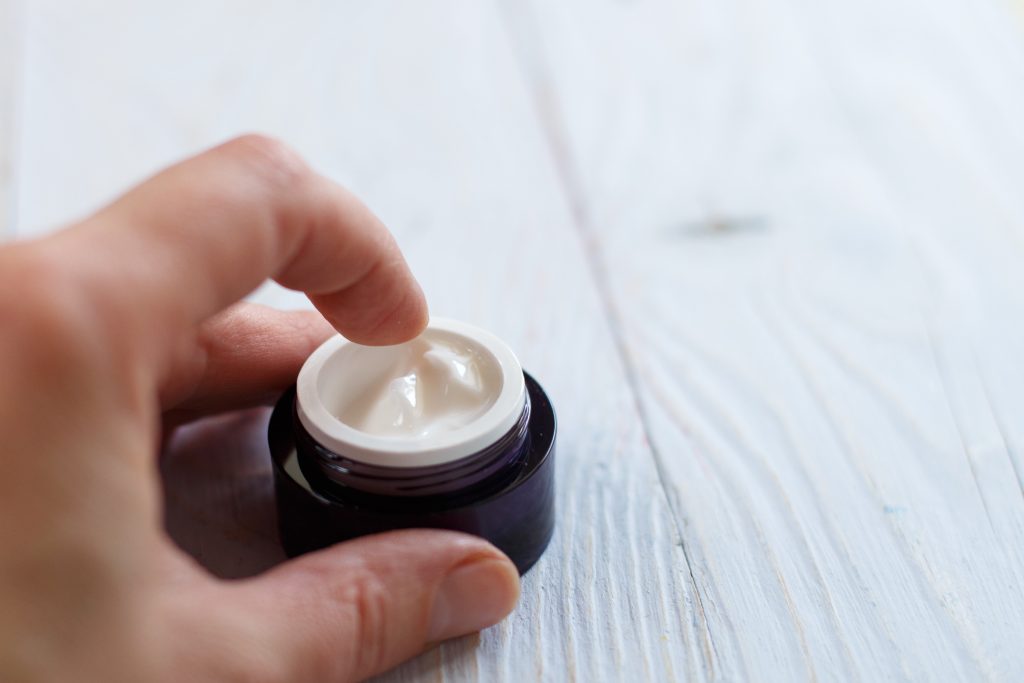
We know how hard it can feel to look in the mirror and not recognize the person looking back at you. Maybe you’ve noticed your skin doesn’t bounce back the way it used to, or perhaps you’re feeling the overall effects of time catching up with you. You’ve probably spent money on creams, serums, and wellness trends that promised the world but left you feeling disappointed. We understand that frustration. If you’ve been exploring the world of wellness and longevity lately, you might have heard a lot of buzz about a specific ingredient: GHK-Cu peptides. It’s gaining major attention in skincare and wellness circles, and for good reason. But what exactly is it, and why is it suddenly everywhere? Let’s break it down together. What Exactly is GHK-Cu? GHK-Cu, which stands for glycyl-L-histidyl-L-lysine copper, sounds like a mouthful, but it’s actually a naturally occurring copper peptide. It’s made up of three amino acids—glycine, histidine, and lysine—bound to a copper ion. Here’s the interesting part: your body naturally produces GHK-Cu. Researchers first discovered it in human plasma back in 1973, noting its incredible ability to help older liver tissue behave more like younger tissue. Since then, scientists have been fascinated by its role in tissue repair and cellular signaling. The catch? Just like collagen and other vital proteins, our natural levels of GHK-Cu decline significantly as we age. At age 20, the plasma level of GHK is about 200 ng/ml, but by age 60, it drops to an average of 80 ng/ml. This decline is one of the reasons our skin becomes thinner, loses elasticity, and heals more slowly over time. More Than Just a Skincare Trend You’ve likely seen copper peptides popping up in high-end serums and creams. They’re celebrated for their ability to support collagen and elastin production, which helps improve skin firmness and reduce fine lines. Many people find that copper peptides offer similar benefits to retinoids but with much less irritation, making them a gentler option for sensitive skin. But the potential of GHK-Cu goes far beyond the surface of your skin. This peptide is a powerhouse when it comes to tissue remodeling and healing. The Healing Power of Copper Peptides Research has shown that GHK-Cu has impressive regenerative properties. It helps encourage blood vessel formation and attracts repair cells to damaged tissue, which are crucial steps in the healing process. In fact, it has been studied extensively for its ability to promote wound healing and reduce inflammation. Beyond skin repair, early studies suggest that GHK-Cu might have broader regenerative effects throughout the body. Scientists are exploring its potential to protect the brain, support healthy aging, and possibly even reduce age-related cognitive decline. It’s also being investigated for its role in nerve regeneration and lung healing. A Holistic Approach to Wellness At Momentum Health, we believe that true wellness is about looking at the big picture. Just like when diet and exercise aren’t enough and you need a more complete plan for weight loss, supporting your body’s aging process requires a comprehensive approach. While topical GHK-Cu can be a fantastic addition to your skincare routine for long-term skin resilience, the wellness community is also exploring injectable and oral peptide formulations. However, it’s important to remember that much of this research is still in the early stages. Before diving into new supplements or treatments, it’s always best to have a conversation with a healthcare professional who understands your unique health history and goals. You deserve a provider who listens, explains your options, and helps you build a plan that truly works for you. You Deserve to Feel Your Best Aging is a natural part of life, but that doesn’t mean you have to settle for feeling less than your best. Whether you’re looking to support your skin’s health, boost your energy, or find a sustainable path to weight loss, you don’t have to figure it out alone. If you’re ready to take control of your health and explore options tailored specifically to you, we’re here to help you build momentum. Schedule your consultation with Momentum Health today and let’s start this journey together. Sources: 1.Dou, Y., et al. (2020). “The potential of GHK as an anti-aging peptide.” Aging Pathobiology and Therapeutics. https://pmc.ncbi.nlm.nih.gov/articles/PMC8789089/ 2.Austin, D. (2026, June 13 ). “The anti-aging peptide everyone is suddenly talking about.” USA Today. https://www.usatoday.com/story/life/health-wellness/what-are-ghk-cu-peptides/89987367007/ 3.Gordon, J., MD. (2026, February 13 ). “A Dermatologist’s Take on the Copper Peptide (GHK-Cu) Skin Care Trend.” Westlake Dermatology. https://www.westlakedermatology.com/trends/ghk-cu-copper-peptides-for-skin-care/
When Diet and Exercise Aren’t Enough: How Medical Weight Loss Can Help

If you have tried to lose weight again and again, we know how hard it can feel to keep believing change is possible. You may have followed meal plans, increased exercise, cut out foods, downloaded apps, or promised yourself this time would be different. When the results do not last, it can feel personal. But weight loss is not always simple. Your body is not a math equation, and your health deserves more than guesswork. Why weight loss can feel so difficult Many factors can affect weight, including appetite hormones, insulin resistance, stress, sleep, medications, age, medical conditions, and metabolic health. For some people, diet and exercise are important but not enough on their own. That does not mean you failed. It means you may need a more complete plan. This is where medical weight loss in Texas can help. A physician-supervised approach looks at your health history, your goals, and what your body may need to move forward. MedlinePlus, a resource from the National Library of Medicine, explains that weight management can include healthy eating, physical activity, behavior changes, medicines, and medical support depending on the person’s needs. How GLP-1 treatment may support progress If you have been searching for how to lose weight with GLP-1, you are likely wondering whether these medications could help when other efforts have not. According to the Cleveland Clinic, GLP-1 medications work by mimicking a natural hormone that helps increase fullness, slow stomach emptying, and reduce appetite. For many patients, this can make it easier to feel satisfied, reduce cravings, and stay consistent with healthier habits .The Mayo Clinic notes that GLP-1 medications can be a powerful tool, but they are not one-size-fits-all. A medical consultation helps determine whether treatment is appropriate for you. Why Momentum Health focuses on more than medication At Momentum Health, care is built around The Momentum Method. This includes clinical monitoring, nutritional guidance, lifestyle coaching, and personalized prescriptions when clinically appropriate. The goal is not a quick fix. The goal is sustainable progress that fits your life. We know it can feel vulnerable to ask for help, especially if you have been disappointed before. That is why support matters. You deserve a provider who listens, explains your options, and helps you build momentum one step at a time. A better path starts with understanding Medical weight loss can help uncover what may be getting in the way, from metabolic concerns to appetite regulation to lifestyle patterns that are difficult to manage alone. It can also help you create a plan that supports your energy, confidence, and long-term health. The National Academy of Medicine notes that GLP-1 treatment is most effective when paired with healthy eating and regular physical activity. With the right plan, progress can feel less like a constant fight and more like a guided process. You do not have to start over alone If you feel stuck, there is still hope. The first step may feel hard, but it can also be the moment things begin to change. Momentum Health provides physician-supervised telehealth care for patients located in Texas, with support designed to help you recapture momentum and regain control. You can learn more about the process on the How It Works page. Ready to get started? Schedule your appointment with Momentum Health today.